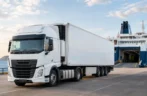
When a chilled pallet arrives warm, or a medical consignment drops outside its validated range, the problem is not limited to one failed delivery. It can mean rejected stock, wasted product, missed service levels, compliance exposure and difficult conversations with customers. That is why choosing a temperature controlled courier is less about moving goods from A to B and more about controlling risk from collection through to delivery.
For businesses handling food, pharmaceuticals, healthcare products or other temperature-sensitive goods, the courier is part of the quality chain. If the transport stage fails, the product may no longer be fit for sale, fit for use or fit for audit. Speed matters, but so do thermal stability, traceability and disciplined handling at every handover point.
What a temperature controlled courier should actually deliver
A true temperature controlled courier does more than provide a refrigerated vehicle. The service should be built around maintaining defined temperature parameters, recording what happened during transit and giving your team confidence that the load remained protected throughout the journey.
That starts with vehicle capability. Different products require different conditions, whether chilled, frozen, ambient or split-temperature transport. A general courier with a cooled van may be enough for some low-risk moves, but it will not suit regulated goods, mixed loads or operations where any deviation creates commercial or legal consequences.
It also depends on process. Collection timing, door-opening discipline, loading speed, route planning and proof of delivery all affect cold-chain performance. Temperature control is not just a feature of the vehicle. It is the result of a controlled operating model.
Why standard courier services often fall short
Many delivery firms can offer urgent transport. Far fewer can protect product integrity under strict thermal conditions while meeting time-critical delivery windows. This is where businesses often run into trouble.
The first issue is visibility. If you cannot see where the vehicle is, what temperature it is holding and when the consignment was handed over, you are relying on assumption. That may be acceptable for general parcels. It is not acceptable for sensitive stock.
The second issue is handling discipline. Temperature-sensitive goods need trained drivers, clear loading protocols and an understanding of what happens when a vehicle stands idle, doors stay open too long or incompatible products are loaded together. A courier without cold-chain experience can create risk even when the vehicle itself is technically suitable.
The third issue is scalability. A one-off urgent run is one thing. Ongoing distribution, retail replenishment, pharmacy delivery or multi-drop food service requires a partner that can maintain consistency day after day, not just react quickly when something goes wrong.
Key features to look for in a temperature controlled courier
The right provider should offer clear operational safeguards, not vague promises. In practice, that means a fleet that is appropriate for the product profile, real-time temperature monitoring, GPS tracking and complete consignment traceability. You should know what is happening during the journey, not after the fact.
Validation matters as well. In sectors such as pharmaceuticals and healthcare, temperature settings need to be maintained within defined tolerances, and records need to support audit requirements. In food distribution, the focus may be product safety, shelf life and protecting customer standards. The detail changes by sector, but the principle is the same – the courier must be able to prove control.
Responsiveness is another critical factor. Delays, failed collections and last-minute route changes can compromise temperature stability as much as poor equipment can. A capable operator should be able to adapt quickly while keeping the consignment within specification.
Temperature controlled courier services by sector
Food and beverage distribution
For food businesses, the pressure is constant. Fresh produce, dairy, prepared meals, meat, frozen goods and bakery products all come with delivery windows and temperature requirements that cannot be missed without cost. A late arrival can mean empty shelves, interrupted service or spoiled stock.
In this environment, a temperature controlled courier needs to support both speed and consistency. That may involve same-day collections, scheduled route work, multi-drop deliveries or mixed-temperature loads for wholesalers and hospitality suppliers. The right service reduces waste, protects product quality and helps keep customer commitments intact.
Pharmaceutical and medical logistics
Healthcare distribution leaves very little room for error. Medicines, vaccines, laboratory samples and clinical supplies may require validated cold-chain transport, secure handling and full records for compliance purposes. Here, the cost of failure goes beyond product loss.
A specialist courier should understand chain of custody, temperature thresholds and the need for accurate documentation. In some cases, direct dedicated transport is the safest option. In others, planned scheduled runs work well. What matters is that the service fits the risk profile of the product.
Retail, hospitality and urgent replenishment
Restaurants, supermarkets, convenience stores and event operators often need fast restocking when demand spikes or supply plans change. In those cases, speed cannot come at the expense of control.
A temperature controlled courier with nationwide reach, live tracking and flexible vehicle availability can prevent small stock issues becoming operational problems. That is especially important for brands managing multiple sites, promotional launches or high-volume service periods.
How to assess whether a courier is genuinely low risk
Price always matters, but it should not be the first filter. The cheaper option becomes expensive very quickly if it leads to rejected stock, customer complaints or compliance failures. A better starting point is to ask how the provider controls the journey.
Ask what temperature ranges they can manage and whether they can support chilled, frozen, ambient or multi-temperature delivery. Ask how temperatures are monitored and whether records are available if there is a query. Ask how they manage urgent bookings, failed delivery attempts and out-of-hours requirements. You are not simply buying transport capacity. You are buying control.
It is also worth looking at fit. Some couriers are well suited to single dedicated runs but less effective for frequent multi-drop work. Others may handle food efficiently but not be equipped for medical consignments. A strong provider will be clear about what they can support and where a more tailored solution is needed.
Why visibility matters as much as temperature
Keeping a product at the correct temperature is essential, but being able to evidence that control is just as important. If a customer rejects a consignment or an auditor asks questions, verbal reassurance is not enough.
Live GPS tracking, digital temperature records and clear proof of delivery create operational confidence. Your team can respond faster to issues, update customers accurately and resolve disputes with facts rather than guesswork. For many businesses, that visibility is what turns a delivery provider into a reliable logistics partner.
This is where specialist operators such as MT Logistics Group stand apart. The value is not only in refrigerated transport capacity. It is in combining monitored vehicles, disciplined processes and responsive service so the consignment stays protected at every stage.
The trade-offs businesses should think about
Not every shipment needs the same level of service, and over-specifying transport can increase cost without adding much value. A planned ambient move for low-risk goods is different from an urgent frozen food replenishment or a validated pharmaceutical delivery. The right model depends on product sensitivity, journey length, customer requirements and the consequence of deviation.
Dedicated transport often gives the highest level of control, especially for urgent or high-value consignments. Consolidated or multi-drop work can be more efficient, but it requires tighter planning and the right operating discipline. There is no single answer that suits every load. What matters is matching the service to the risk.
The same applies to coverage. A local operator may offer fast regional response, while a national provider may be better for wider distribution networks and consistent service across multiple depots or customer locations. Businesses with mixed needs often benefit from a partner that can support both scheduled distribution and urgent exceptions.
Choosing a courier that protects more than the load
A temperature controlled courier protects the product, but it also protects your margins, service levels and reputation. When goods arrive in specification and on time, your operation keeps moving. When they do not, the knock-on effects travel quickly through the supply chain.
That is why the best courier relationships are built on more than availability. They are built on confidence in process, accuracy in execution and visibility from collection to delivery. If your goods cannot afford risk, your transport partner should be selected with the same care you apply to the product itself.
The strongest logistics decisions are rarely the loudest ones. They are the ones that quietly prevent failure before it has a chance to happen.