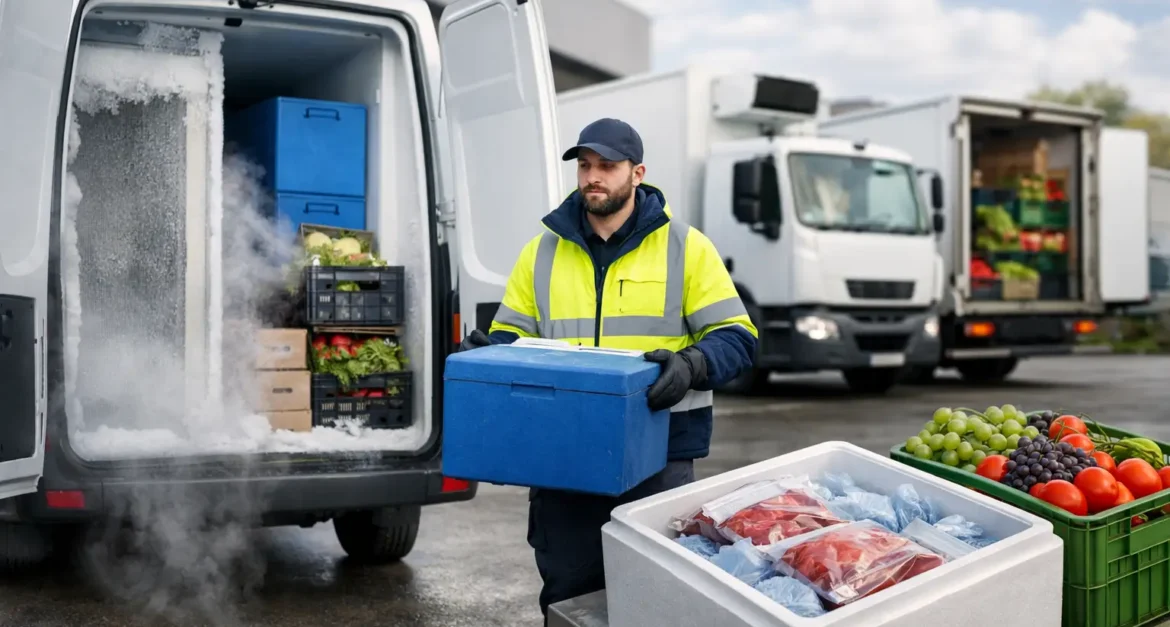
A missed chilled delivery is a problem. A mixed load with chilled, frozen and ambient goods on the same route is a bigger one, because one failure can compromise the whole consignment. That is why choosing a multi temperature courier UK provider is not simply a transport decision. It is a product protection, compliance and continuity decision.
For food, pharmaceutical and other temperature-sensitive supply chains, the right courier does far more than move goods from A to B. It protects shelf life, maintains segregation between temperature bands, keeps records you can rely on, and delivers within tight operational windows. If your business depends on goods arriving in the right condition, the standard to look for is controlled execution rather than basic collection and delivery.
Why a multi temperature courier in the UK matters
Many businesses no longer move one product type at one temperature. A wholesaler may need frozen lines, chilled produce and ambient packaged goods on the same vehicle. A hospitality distributor may be delivering to multiple sites with different order profiles and narrow booking slots. A healthcare operation may need controlled transport with documented temperature data and full traceability.
Using separate vehicles for each temperature range can work, but it often increases cost, complexity and handling risk. A properly equipped multi temperature courier allows mixed-load transport within a single planned movement, while still maintaining distinct thermal zones. That matters for efficiency, but it matters even more for control.
In practice, this means fewer handovers, more predictable routing and stronger chain-of-custody visibility. It can also reduce the pressure on your warehouse or dispatch team, especially when outbound loads need to leave quickly and in the correct sequence.
What a true multi temperature courier UK service should provide
Not every courier advertising refrigerated delivery is set up for genuine multi-temperature work. There is a difference between a chilled van and a vehicle configured to carry products across separate temperature requirements without compromise.
The first requirement is the vehicle itself. If goods are travelling frozen, chilled and ambient together, the vehicle needs clearly managed compartments or zoning capability that can hold each required range consistently throughout the journey. This is especially important on longer routes, multidrop schedules and same-day work where doors are opened repeatedly.
The second requirement is monitoring. Real-time digital temperature tracking is not an extra. It is the basis of accountability. If a delivery is challenged, or if your own quality team needs evidence, recorded data should be available and reliable. A courier relying on manual checks alone may not give you the level of assurance your operation requires.
The third is traceability. You should know where the vehicle is, what has been loaded, when it was collected, and when it was delivered. For regulated sectors, that traceability supports compliance. For commercial operations, it reduces uncertainty and helps teams respond quickly if a schedule changes.
Then there is the human factor. Drivers and operations teams need to understand temperature-sensitive handling, loading discipline and delivery priority. Technology supports performance, but experienced cold-chain handling is what keeps standards consistent under pressure.
The operational risks of getting it wrong
When a courier lacks the right controls, the consequences are rarely limited to one late drop. Temperature deviation can lead to spoilage, rejected stock, customer disputes and reputational damage. In food distribution, that can mean waste and service disruption. In pharmaceutical or medical transport, the stakes are even higher because product integrity and compliance may be affected.
There is also the risk of hidden inefficiency. If your current provider cannot manage mixed-temperature loads properly, your team may already be compensating through split dispatches, last-minute reallocation, increased stock buffers or avoidable vehicle spend. Those workarounds often become normal until someone reviews the true cost.
A dependable courier should reduce operational friction, not create more of it.
How to assess a multi temperature courier UK partner
Start with the practical questions. Ask how the fleet is configured for mixed-temperature transport and what ranges can be held simultaneously. Ask how temperature is monitored during transit and what reporting is available after delivery. Ask how exceptions are managed if traffic, delays or failed delivery windows threaten the route.
It is also worth looking closely at service fit. A courier may perform well on planned trunking but struggle with urgent same-day work. Another may handle single-drop pharmacy deliveries well but be less effective for high-volume hospitality multidrops. The right partner depends on what your operation actually looks like day to day.
Coverage matters too. If your business serves multiple regions, a courier needs more than nominal UK reach. It needs the fleet availability, route planning capability and operational support to deliver consistently across the areas you serve. Capacity at peak periods is another point often missed during procurement. A provider that performs well in quiet weeks but cannot support seasonal surges may expose your business at the worst time.
Evidence matters more than claims. Ask how the provider maintains delivery integrity, what visibility you receive, and how they support compliance in your sector. If the answers are vague, that usually tells you enough.
Sector differences: what good looks like in practice
Food and beverage
For food businesses, control usually comes down to temperature stability, delivery punctuality and careful handling. Fresh produce, dairy, frozen goods, meat, bakery lines and prepared meals all have different sensitivities. A mixed delivery to retail, foodservice or hospitality sites needs accurate segregation and disciplined route execution.
The challenge is rarely just keeping products cold. It is maintaining the correct condition across multiple drops while protecting presentation, shelf life and food safety records.
Pharmaceutical and healthcare
In healthcare logistics, tolerances are tighter and documentation requirements are higher. Products may require validated cold-chain handling, secure movement and a clear audit trail. Delays are not just inconvenient. They can affect patient service, regulatory compliance and stock usability.
That means the courier must combine speed with procedure. Fast response is valuable, but only when paired with proper controls.
Hospitality, retail and QSR
This sector often runs on narrow windows and little margin for delay. A late mixed-temperature delivery to a restaurant group, hotel or retail site can disrupt service that same day. The courier needs to be responsive, but also structured enough to deliver repeat performance across scheduled and urgent work.
Cost versus value in multi-temperature delivery
Price always matters, but with temperature-controlled transport, the cheapest quote can be the most expensive option once failure is factored in. Product loss, redelivery, downtime, customer credits and damaged trust quickly outweigh small savings on the transport line.
That does not mean the highest-priced provider is automatically the best choice. It means value should be assessed against risk reduction, service reliability and visibility. If a courier can consolidate loads safely, reduce spoilage exposure and provide clear tracking and temperature records, that has measurable operational value.
For some businesses, dedicated day-rate vehicles will make more sense than ad hoc bookings, particularly where route volumes vary or urgent replenishment is common. For others, a planned same-day and next-day model may be more cost-effective. The answer depends on delivery profile, drop density and how often your business needs flexibility.
Why responsiveness matters alongside compliance
A multi-temperature operation does not run in a perfect environment. Orders change. Sites add urgent requirements. Traffic affects ETA. Production overruns delay loading. The courier you choose needs to absorb these pressures without losing control of the cold chain.
That is where specialist operators stand apart from general couriers. They are built around time-critical execution, temperature discipline and exception management. They understand that communication is part of service quality. If a route changes or a delay appears, your team needs clear information quickly so the next decision can be made with confidence.
For that reason, many commercial buyers look for a provider that offers both planned distribution and urgent support. It creates continuity. You are not trying to solve routine deliveries with one supplier and emergency cover with another.
Choosing with confidence
If your business moves goods across frozen, chilled and ambient ranges, a multi temperature courier UK service should give you more than transport capacity. It should give you control, evidence and peace of mind under real operating conditions.
The strongest partners are easy to recognise. They speak clearly about temperature management, fleet capability, traceability and delivery discipline because those are the basics of their operation, not marketing extras. And when service windows tighten or the stakes rise, they stay precise.
That is the standard worth setting, because when product integrity is the priority, reliability is not a bonus. It is the job.