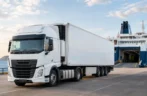
A product does not need to be frozen or chilled to require specialist transport. Many goods must remain within a defined ambient range, protected from excessive heat, cold, humidity, delay and rough handling. An ambient courier provides that control, giving businesses a reliable way to move sensitive consignments without treating them as standard parcel freight.
For food, healthcare, retail, manufacturing and hospitality operations, the risk is not limited to a visible temperature failure. A missed timed delivery can stop production. Poor evidence of handling can complicate an audit. Exposure to unsuitable conditions can reduce product quality long before a problem is apparent. Ambient transport is about maintaining the right environment and proving that control was in place throughout the journey.
What is an ambient courier?
An ambient courier transports goods that are kept at a controlled non-refrigerated temperature. The precise acceptable range depends on the product, its packaging, the manufacturer’s instructions and any applicable regulatory requirements. Ambient does not simply mean leaving freight at whatever temperature happens to be outside.
In practice, ambient consignments may require protection from summer heat, winter cold, direct sunlight, condensation or prolonged periods in unmonitored depots. They may also require a vehicle operated within an agreed setpoint range, temperature records, GPS tracking, secure handling and a confirmed delivery time.
Typical ambient loads include shelf-stable food and ingredients, pharmaceutical products stored at controlled room temperature, cosmetics, specialist chemicals, medical supplies, retail stock and sensitive commercial components. Some products tolerate a broad range; others have narrow storage limits. The correct service starts with understanding that difference before collection is booked.
Why controlled ambient transport matters
The term ambient can create a false sense of simplicity. If goods are labelled for room-temperature storage, it is easy to assume any vehicle will do. That approach overlooks the reality of UK road transport, where vehicle interiors can become significantly hotter or colder than the conditions outside.
A standard courier network may involve multiple handling points, overnight storage, mixed consignments and unpredictable dwell time. That model can suit durable goods, but it may not suit products with a clear temperature specification, a short shelf-life, high commercial value or strict chain-of-custody requirements.
A dedicated or specialist ambient service reduces those unknowns. Collection and delivery can be planned around your operating hours, route requirements and delivery windows. Temperature and location data provide full visibility while the consignment is in transit. If an issue arises, the response is based on live information rather than assumptions after the event.
This is particularly valuable where one failed delivery affects more than one order. A delayed ingredient delivery can disrupt a production run. A missed replenishment can leave a restaurant, retailer or hospital site without essential stock. A compromised healthcare consignment can create a compliance investigation as well as a financial loss.
When to use an ambient courier service
The right transport solution depends on the product’s required range and the consequences of deviation. Some ambient goods can travel safely on a standard next-day service. Others need a dedicated, monitored vehicle and direct delivery. The decision should be proportionate to the risk.
An ambient courier is normally the right choice where goods have manufacturer-defined storage conditions, require a documented handling history or cannot be exposed to uncontrolled temperatures. It is also suitable for urgent consignments, high-value stock, timed site deliveries and loads that need careful handover rather than a signature from an unattended goods-in area.
For businesses moving mixed stock, multi-temperature transport may be more appropriate. A single vehicle can carry chilled, frozen and ambient products in separate controlled compartments, allowing wholesalers, caterers and food distributors to consolidate deliveries while maintaining the required conditions for each product.
The operational controls that protect your goods
A dependable ambient delivery is built before the vehicle leaves the collection point. Clear instructions should cover the product type, permitted temperature range, packaging, collection time, delivery deadline, site access, contact details and any special handling or proof-of-delivery requirements.
Temperature monitoring and records
Real-time digital monitoring gives operations teams visibility of the conditions inside the vehicle. It supports prompt intervention if readings move outside the agreed range and creates a record for quality assurance, customer queries or audit purposes.
Not every ambient consignment needs continuous monitoring. For low-risk, well-packaged goods travelling a short distance, it may be unnecessary. For pharmaceuticals, regulated products, premium ingredients or goods with exact storage instructions, monitored transport offers a stronger level of control and reassurance.
Route planning and delivery discipline
Temperature protection is closely linked to time control. A route should be planned around collection readiness, traffic risk, delivery windows and the time a consignment may spend waiting at site. Direct same-day transport is often the best option for urgent or sensitive loads because it limits handovers and avoids unnecessary handling.
For planned distribution, multidrop routes need equal discipline. Delivery sequences should account for the sensitivity of each load, available vehicle capacity and the practical realities of site access. A route that looks efficient on a map may create avoidable delay if it ignores booking slots, receiving hours or urban restrictions.
Suitable vehicles and trained handling
The vehicle should match the load, not just its size. Temperature-controlled vehicles can maintain stable ambient conditions where needed, while secure loading practices help prevent damage, cross-contamination and packaging failure. Cleanliness, load segregation and correct placement all matter, particularly for food, healthcare and regulated goods.
Drivers also play a critical role. They need accurate instructions, responsive support and an understanding of the delivery requirements. A time-critical consignment should not be treated as a routine drop. Professional handover, proof of delivery and immediate escalation of access or delivery issues protect the customer’s operation.
Choosing an ambient courier partner
The lowest price is not always the lowest-cost option. If transport failure leads to waste, rejected stock, missed service, lost revenue or a damaged customer relationship, the real cost of an unsuitable courier can be substantial.
Look for a provider that can explain how it will control your specific risk. That means asking about the vehicle environment, monitoring capability, live tracking, collection-to-delivery process, proof of delivery and contingency planning. A credible partner will ask detailed questions about your product requirements rather than offer a generic service without qualification.
It is also worth establishing what happens when conditions change. Traffic disruption, a site refusal or a late collection does not automatically mean the consignment is lost, but the response must be fast and documented. Clear communication, alternative vehicle options and a defined escalation process give your team the control needed to protect the load and keep stakeholders informed.
MT Logistics Group supports ambient, chilled, frozen and multi-temperature transport with specialist vehicles, real-time visibility and UK-wide operational coverage. For customers with regular requirements, dedicated day-rate vehicles can provide greater consistency, flexible capacity and a transport team that understands the route, sites and service expectations.
Making ambient delivery part of your quality process
Ambient transport works best when it is treated as part of product quality, not a final administrative step after an order is picked. Give your courier accurate product instructions. Confirm whether the stated range applies during all stages of transport. Ensure packaging is appropriate for the planned journey, including collection delays and delivery waiting time.
Keep records aligned between warehouse, transport and quality teams. If a customer asks for evidence, your business should be able to show when the goods were collected, how they travelled, when they arrived and whether the agreed conditions were maintained. That level of traceability supports compliance, but it also protects confidence between you and your customers.
The practical question is not whether a product is labelled ambient. It is whether your current transport process can protect that product, meet the promised delivery time and provide evidence when it matters. When the answer needs to be certain, controlled ambient delivery gives your operation the assurance to move stock with confidence.