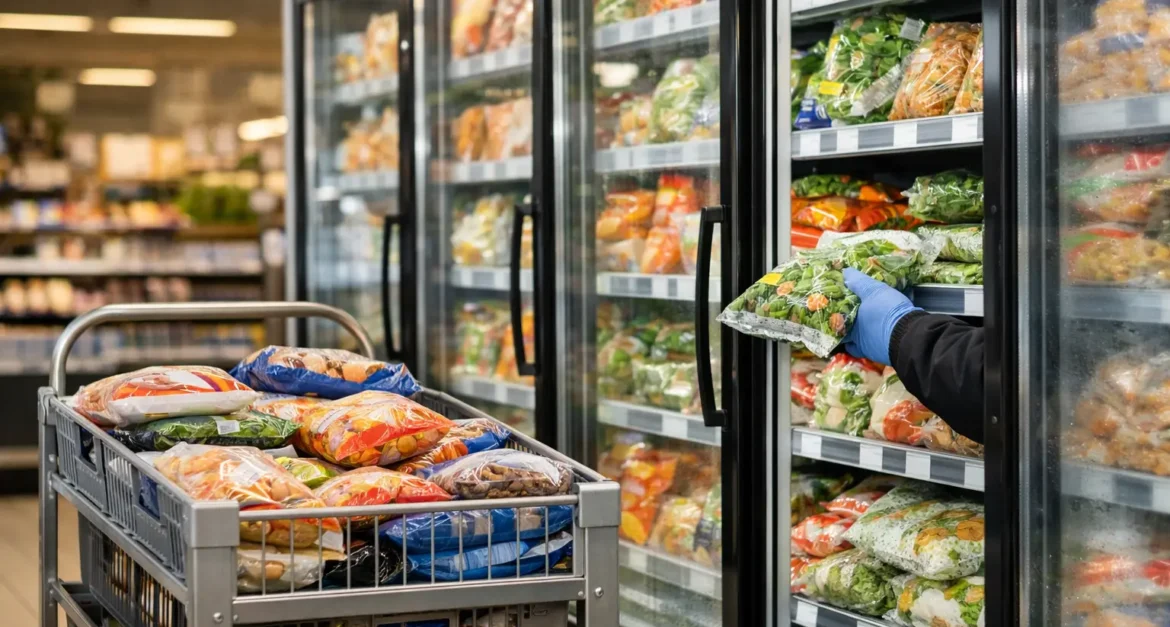
A freezer bay can look fully stocked at 08:00 and become a lost-sales problem by lunchtime. Frozen retail replenishment is not simply about moving cases from a depot to a shop. It is a controlled operation that must protect product temperature, meet narrow delivery windows and place the right volume of stock at the right stores before availability is affected.
For supermarkets, convenience groups, frozen food brands and foodservice retailers, the cost of getting this wrong extends beyond a missed sale. Late or unsuitable deliveries create pressure on store teams, increase the risk of product compromise and can leave promotions, seasonal lines or core ranges unavailable when demand is highest. A reliable replenishment plan turns that risk into a repeatable, visible process.
Why frozen retail replenishment requires specialist control
Frozen stock must remain within its agreed temperature specification throughout collection, loading, transport and delivery. For many food products, this means maintaining a frozen condition at or below -18°C, although the required setpoint, product tolerance and handling instructions should always be confirmed for the individual load.
The challenge is not limited to the vehicle’s refrigeration unit. Temperature can be affected by long loading times, frequent door openings, poorly sequenced multi-drop routes, congestion at a delivery point and delays while a store prepares to receive the goods. A vehicle may be operating correctly, yet the overall cold chain can still be put under pressure if the journey has not been planned around real operating conditions.
This is why standard parcel or general freight networks are rarely the right answer for frozen retail distribution. Retail replenishment needs vehicles and drivers equipped for temperature-controlled work, plus a control process that records what happened on the road. Real-time temperature monitoring, GPS tracking and clear proof of delivery give operations teams the visibility to respond quickly when circumstances change.
Build the replenishment plan around store demand
A frozen delivery is only valuable if it reaches the store before the shelf needs it. Replenishment frequency should therefore be driven by sales velocity, available freezer capacity, promotional activity and the lead time needed to prepare and dispatch stock.
High-turnover stores may need daily delivery, while a smaller convenience estate may operate more effectively with planned runs on selected days. There is no single correct frequency. More deliveries can improve availability and reduce the amount of stock held in store, but they also increase transport activity and receiving demands. Fewer deliveries may lower transport cost per case, but require more freezer space and leave less room to absorb unexpected demand.
Promotions need particular attention. A price event, new product launch or period of hot weather can quickly alter frozen demand patterns. Stock should be positioned before demand peaks rather than dispatched after store teams report empty freezers. Clear forecasts, agreed order cut-off times and regular communication between the supplier, warehouse and transport provider help prevent reactive decisions becoming routine.
Match vehicle capacity to the route
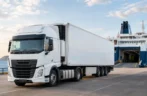
Vehicle selection should reflect the route, not just the total pallet count. A full-size refrigerated lorry may suit a regional trunk movement or a large supermarket run. Smaller refrigerated vehicles can be more effective for urban convenience stores, restricted access sites and urgent top-up deliveries.
For routes carrying chilled, frozen and ambient products together, multi-temperature capability may be required. This avoids treating every consignment as a separate movement while keeping products within their specified conditions. However, mixed-temperature transport only works when compartments, loading sequence and access requirements are planned properly. The most efficient vehicle on paper can become inefficient if the frozen compartment is repeatedly opened at every stop.
Protect the cold chain at every handover
The handovers between warehouse, vehicle and store are where discipline matters most. Products should be picked, staged and loaded in a way that limits exposure to warmer conditions. Frozen items should not wait unnecessarily on a loading bay, and vehicle pre-cooling should be completed before loading begins.
At delivery, the driver needs a clear process for reporting arrival, managing safe unloading and recording any issue that could affect acceptance. This is particularly important at stores with limited back-of-house space, shared loading areas or tightly controlled booking slots. If a site cannot receive the load immediately, the vehicle must be able to hold the product safely while the operations team decides the next step.
Temperature records should be available for the journey rather than reconstructed after a problem occurs. This provides assurance for the retailer and supports investigation if a product query, rejection or quality concern is raised. Traceability is not an administrative extra. It is a practical safeguard for stock, compliance and customer confidence.
Use delivery windows as operational commitments
Frozen retail routes often work around strict receiving times. Missing a booked window can mean a vehicle waiting outside a store, losing time for later drops and increasing the risk of a route failure. It can also leave a store without essential stock for an entire trading period.
A reliable transport plan accounts for realistic loading time, travel time, fuel stops, driver breaks, urban restrictions and unloading duration. It also includes contingency. Road closures, depot delays and store-side issues cannot always be prevented, but they should not become invisible until the delivery has already failed.
Live GPS tracking gives the transport team a basis for early intervention. If a vehicle is running behind schedule, the retailer can be informed, the receiving site can prepare and, where practical, the route can be adjusted. Fast communication does not remove every disruption, but it protects decision-making time. That is often the difference between a managed exception and an empty freezer.
Plan for urgent top-ups without disrupting the network
Even well-run replenishment programmes need an urgent response option. A sudden sales spike, freezer breakdown at another branch, missed supplier delivery or unexpected event can leave a store requiring stock outside its normal schedule.
Same-day refrigerated courier support or a dedicated day-rate vehicle can provide controlled capacity when the planned network cannot respond quickly enough. This service should be treated as an extension of the replenishment plan, not a substitute for forecasting. Frequent urgent movements usually signal a problem with demand data, stock allocation or delivery frequency. Occasional urgent support, however, protects availability when it matters most.
Measure performance beyond on-time delivery
On-time, in-full performance is a useful starting point, but it does not tell the full story. Frozen replenishment should be reviewed against product condition, temperature compliance, delivery exceptions, store acceptance, stock availability and the reasons behind urgent requests.
A route that arrives on time but repeatedly causes long waits at the rear door may still be creating unnecessary risk. Equally, a late delivery caused by a documented incident and managed with early communication may be preferable to a driver taking shortcuts that compromise safe handling or product integrity.
Regular review meetings should focus on patterns rather than isolated incidents. Are particular stores difficult to access? Are orders regularly exceeding vehicle capacity? Do promotions create recurring shortfalls? Are delivery slots realistic for actual unloading times? The answers allow the operation to be improved before the next peak period exposes the same weakness.
Choose a transport partner that can operate under pressure
A frozen transport provider should offer more than a refrigerated vehicle. Look for proven experience in cold-chain handling, a suitable fleet, digital temperature monitoring, route visibility and a responsive operations team that can manage exceptions without losing control of the load.
It is also worth checking how the provider handles multi-drop work, time-critical deliveries and escalation outside normal hours. Frozen retail distribution rarely follows a perfect schedule. The capability that matters is the ability to maintain standards when the schedule changes.
MT Logistics Group supports frozen retail distribution with temperature-controlled vehicles, real-time monitoring and nationwide operational coverage. The focus is straightforward: protect the product, maintain visibility and keep stock moving where it is needed.
The strongest replenishment operations are rarely the loudest. They are the ones where store teams receive stock in the right condition, on the agreed day, with the information needed to trust every delivery. When frozen availability matters, control at every mile is what keeps the freezer full.